Instant Theatre Company - UX & Website Design
Understanding the Client
Instant Theatre provides improv shows, comedy workshops, acting classes, and collaborative performance training. Their audience is a mix of casual show-goers, dedicated performers, and students seeking confidence-building experiences.


Business Goals
Create a streamlined front and back-end experience
Increase traffic & brand awareness
Improve the mobile experience
Increase conversions for shows and classes
Highlight Instant Theatre as a community-driven performance hub
Business Goals
Our research combined surveys, interviews, and competitor analysis to understand the motivations, behaviours, and frustrations of Instant Theatre’s audience. Survey insights revealed that people attend improv shows for entertainment, spontaneity, and shared social experiences, while students join classes to build confidence, improve communication, and meet new people. Social media and word of mouth emerged as the primary discovery channels, signalling an opportunity to integrate stronger digital touchpoints. Interviews deepened this understanding as participants described improv as a form of play, escapism, and community building, especially for introverts seeking confidence. However, users also felt Instant Theatre’s mission was unclear, and they frequently experienced frustrations such as shows selling out and difficulty navigating information.
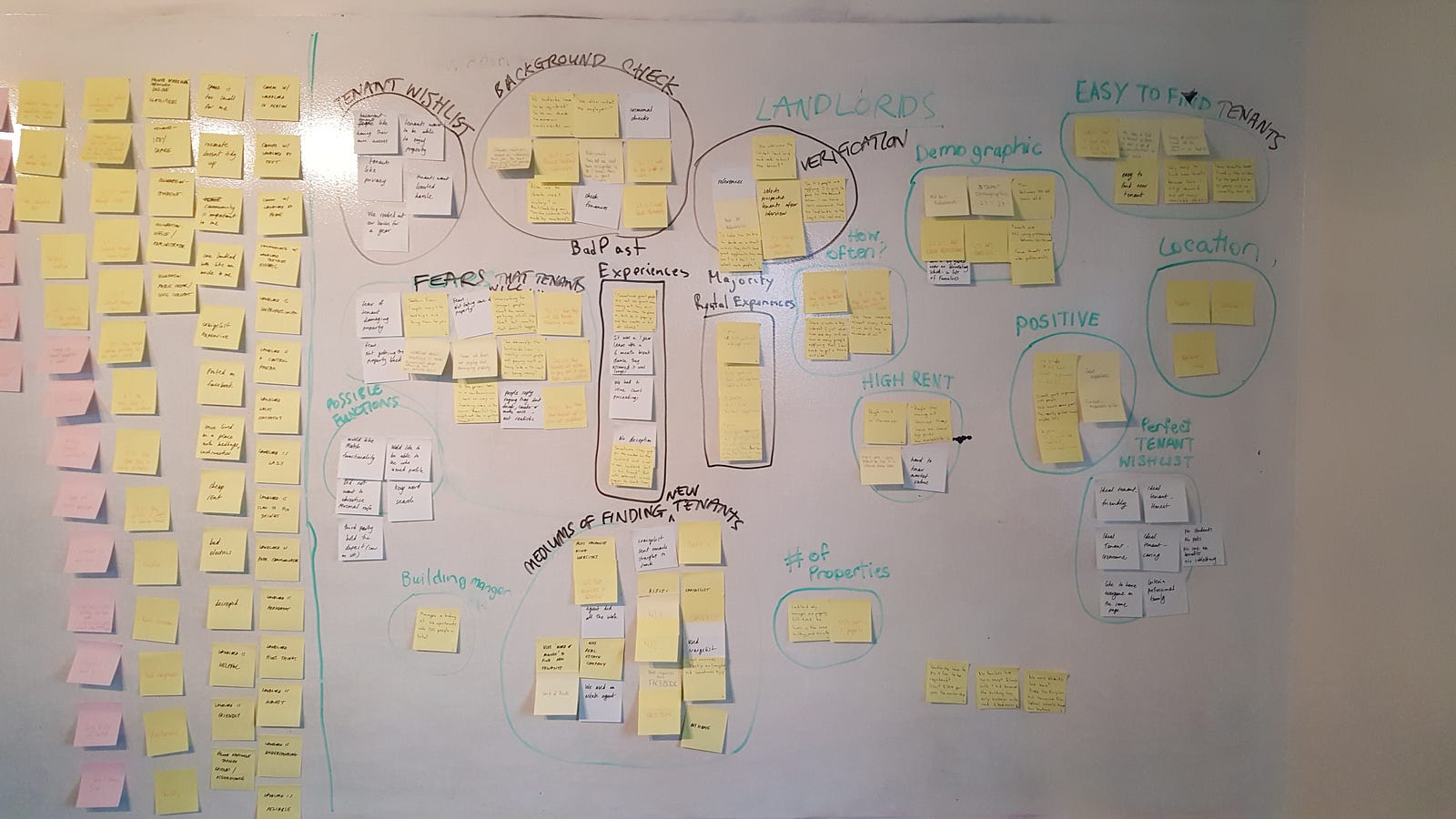
Our competitive and comparative analysis included theatre companies and major festivals such as Push Festival and the Coastal Jazz Festival. These platforms used visually rich calendars and filterable event discovery, but often in overly complex or space heavy layouts. This helped us identify a clear UX gap: Instant Theatre needed a simpler and more intuitive interface that preserved visual appeal while remaining accessible for a small community focused organization. Synthesizing our data through affinity mapping highlighted three core themes: improv as joyful escapism, strong support for local arts, and the need for effortless navigation. These insights shaped our primary persona Stephen Moss, a Vancouver professional seeking confidence, creativity, and community through improv. His journey of attending a show, discovering classes, and overcoming social anxiety became the emotional anchor of our redesign.
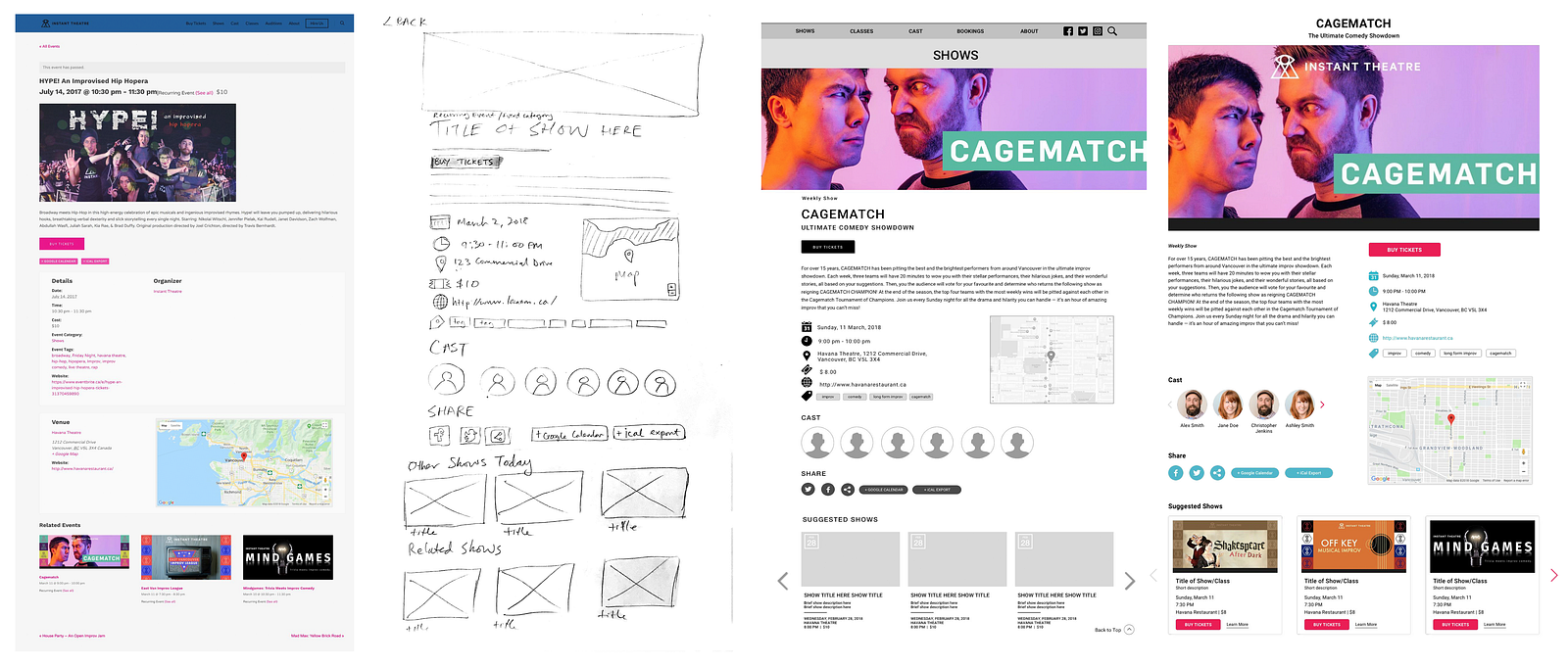
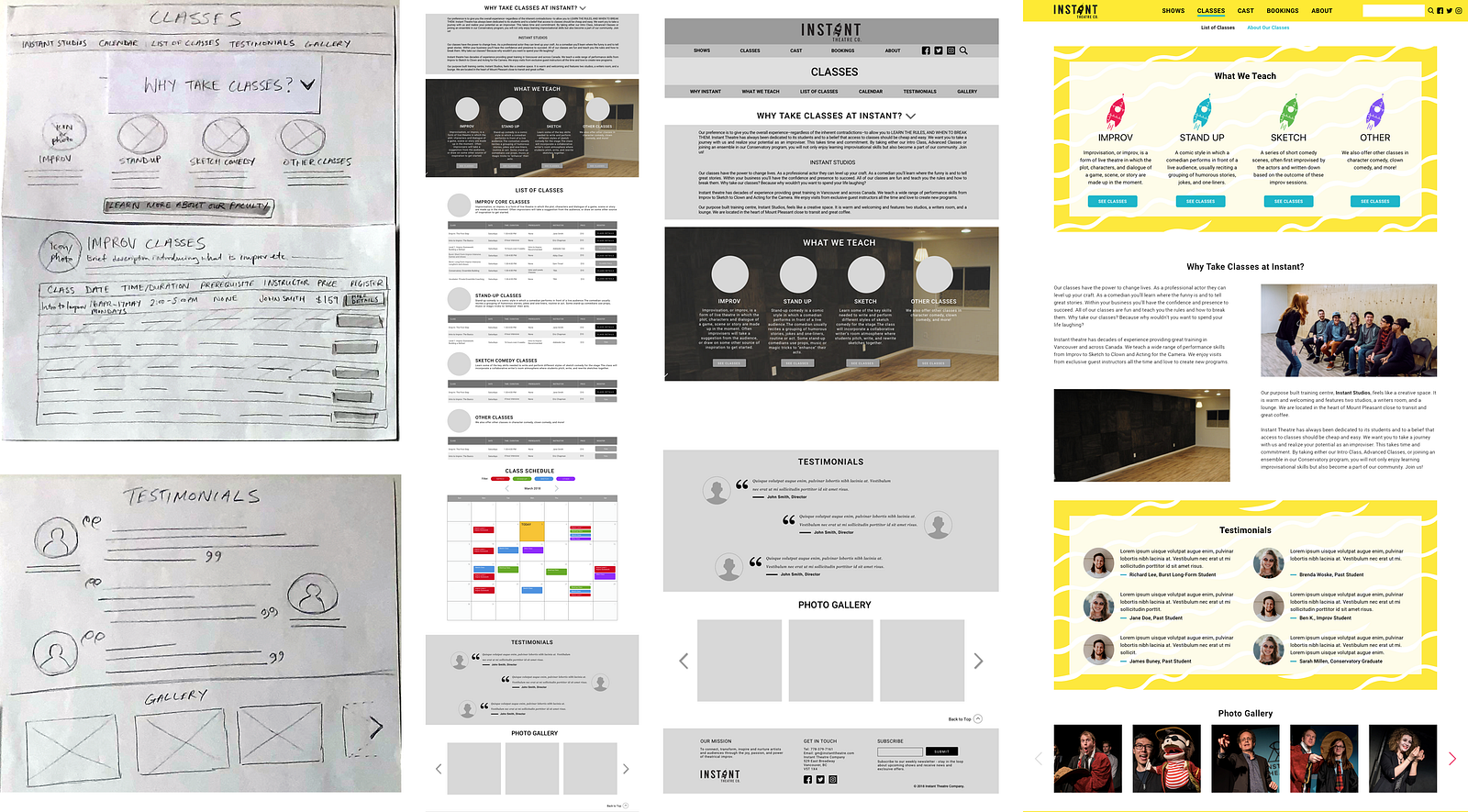
With only a three week sprint, we prioritized features by value and complexity to ensure we delivered maximum impact. High priority features included improved show and class discovery, a clear and efficient filtering system, strong calls to action, and a mobile first experience. These choices directly aligned with user frustrations and business goals, addressing issues such as sold out surprises, difficulty finding relevant classes, and poor mobile usability. Lower priority or resource heavy features were strategically deferred. This prioritization allowed us to design a focused and intuitive platform that supported Instant Theatre’s goals of increasing conversions, strengthening brand clarity, and expanding their creative community.