Litefarm WEbaPP
About the Project
When I joined this project , some exploratory design work had happened, but insights did not align with the goals of the stakeholders and missed the technical details. So, I move the project forward, I re-started the research phase.
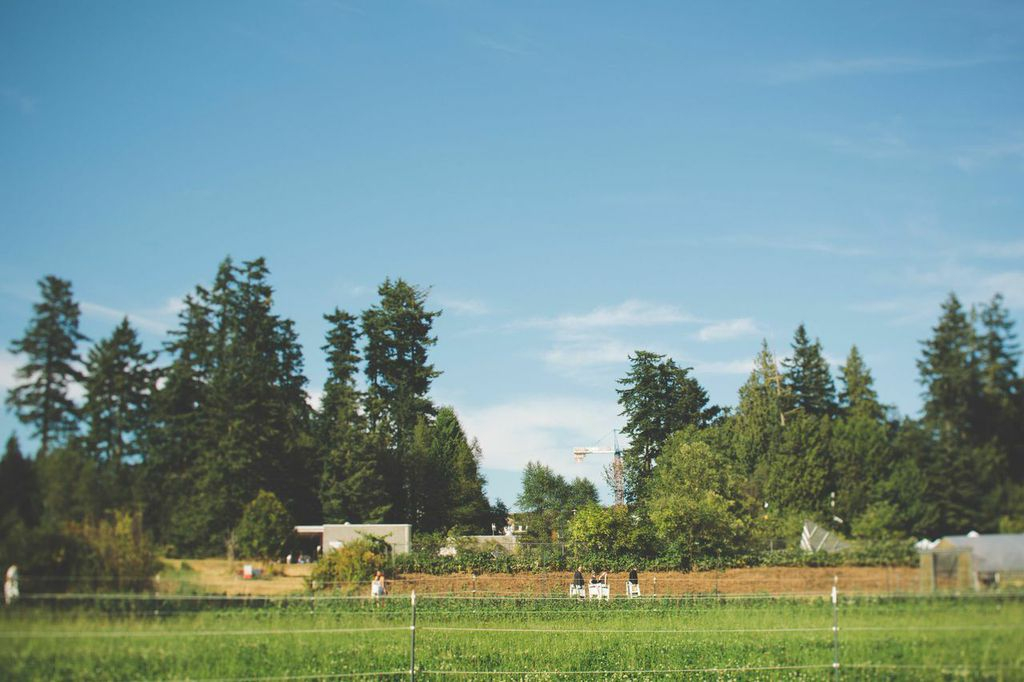
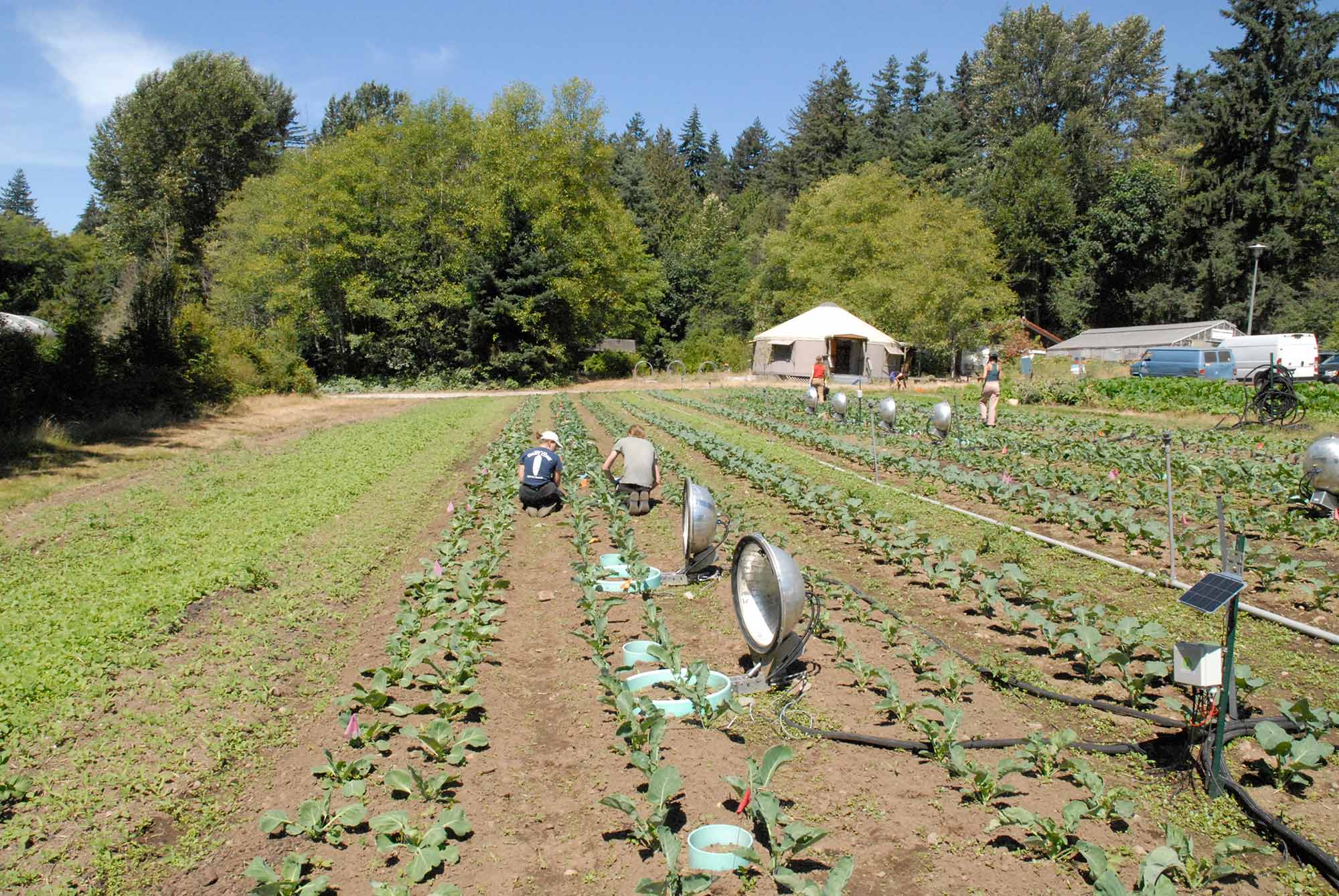
Research findings
This research fundamentally shifted how we approached the product. By understanding the daily pressures and decision-making patterns of small-scale farmers, we uncovered which features genuinely created value and which ones added unnecessary complexity. These insights helped us narrow our focus, rebuild features with purpose, and design a tool that aligns with the pace, needs, and intuition of real farms.
Project Deliverables
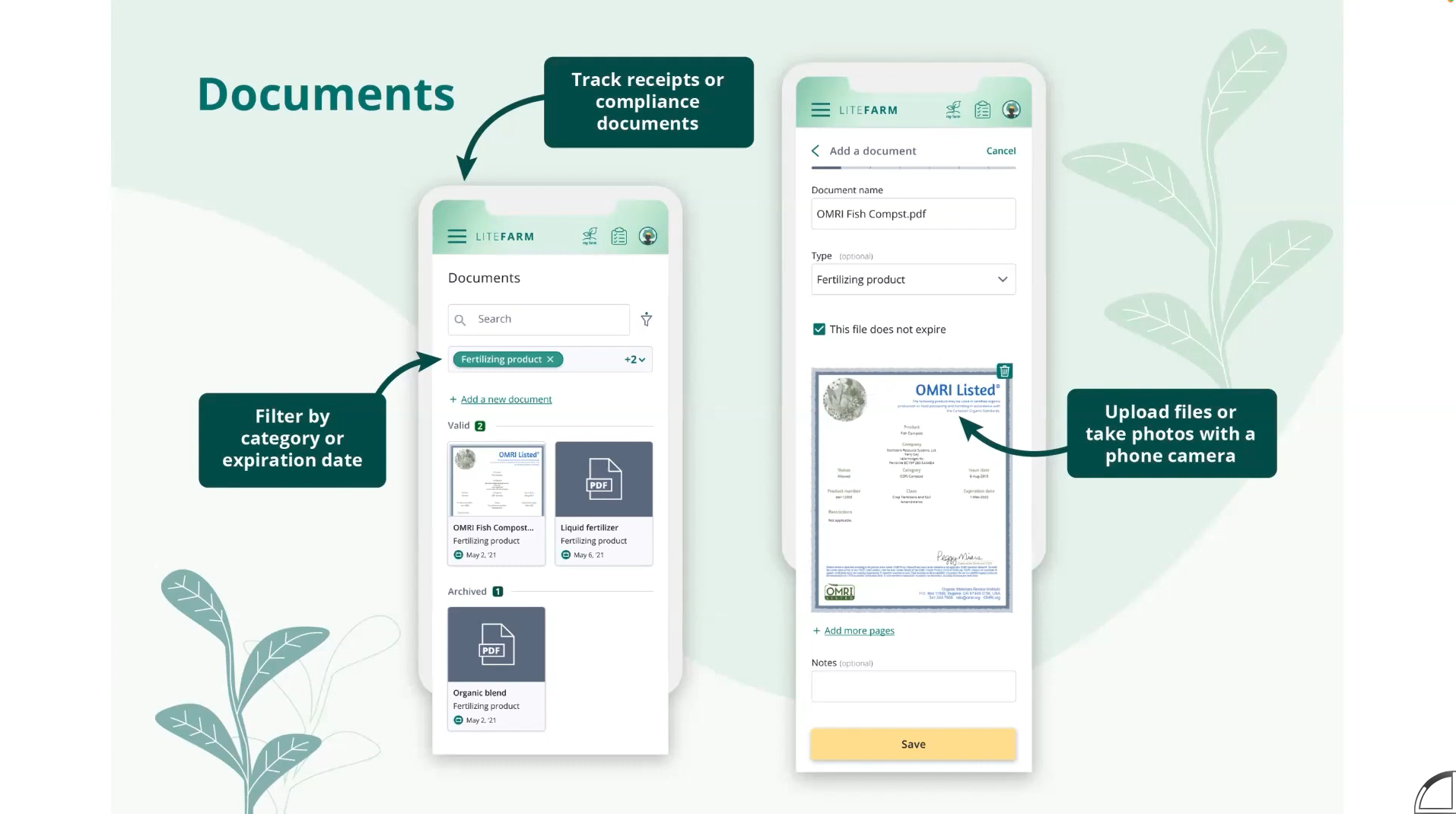
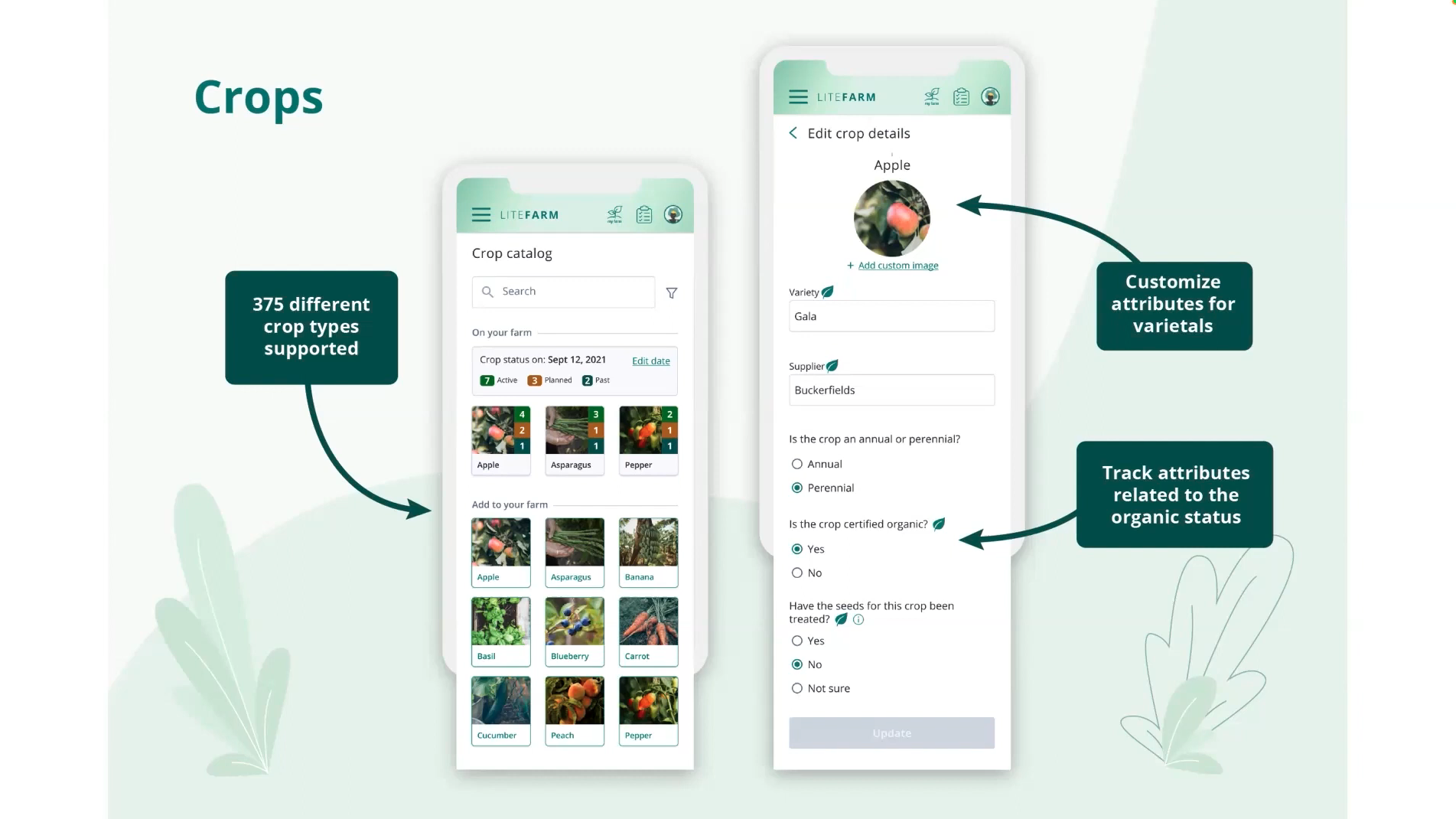
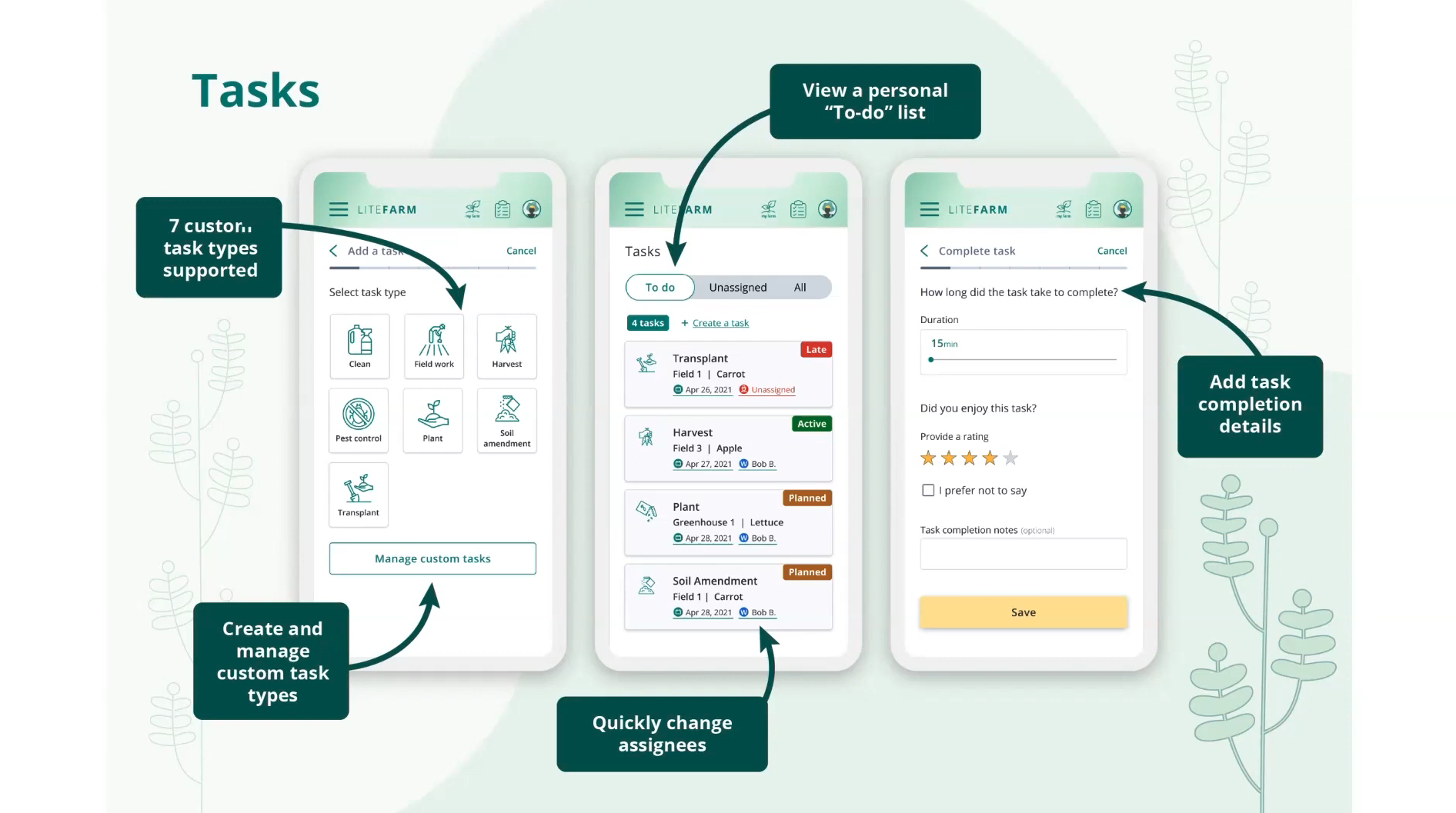
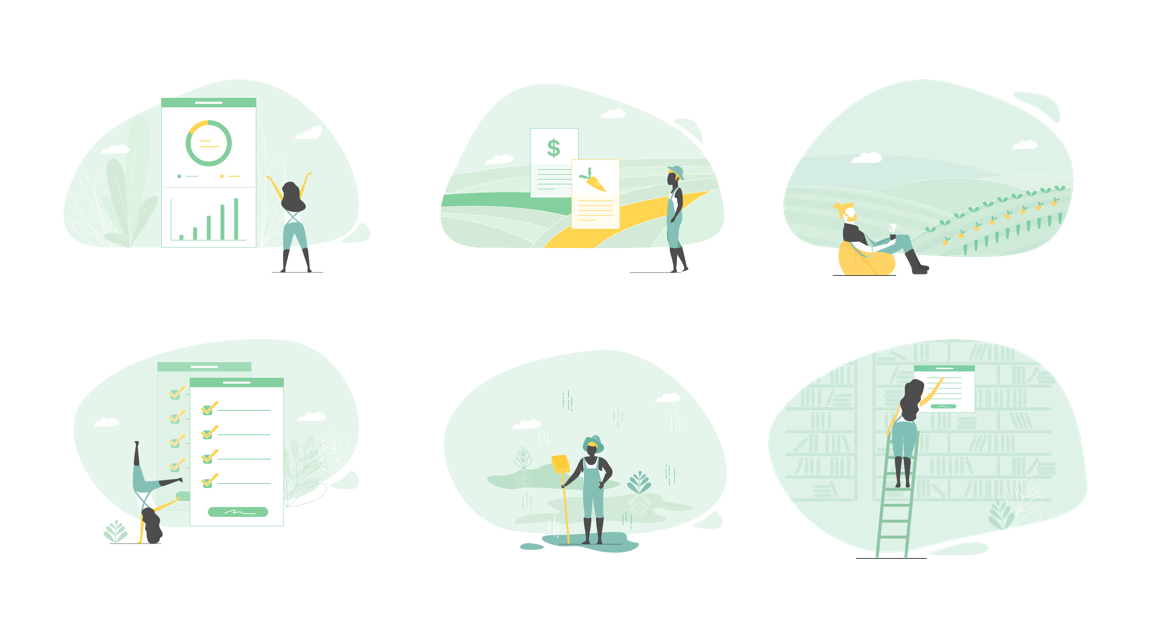
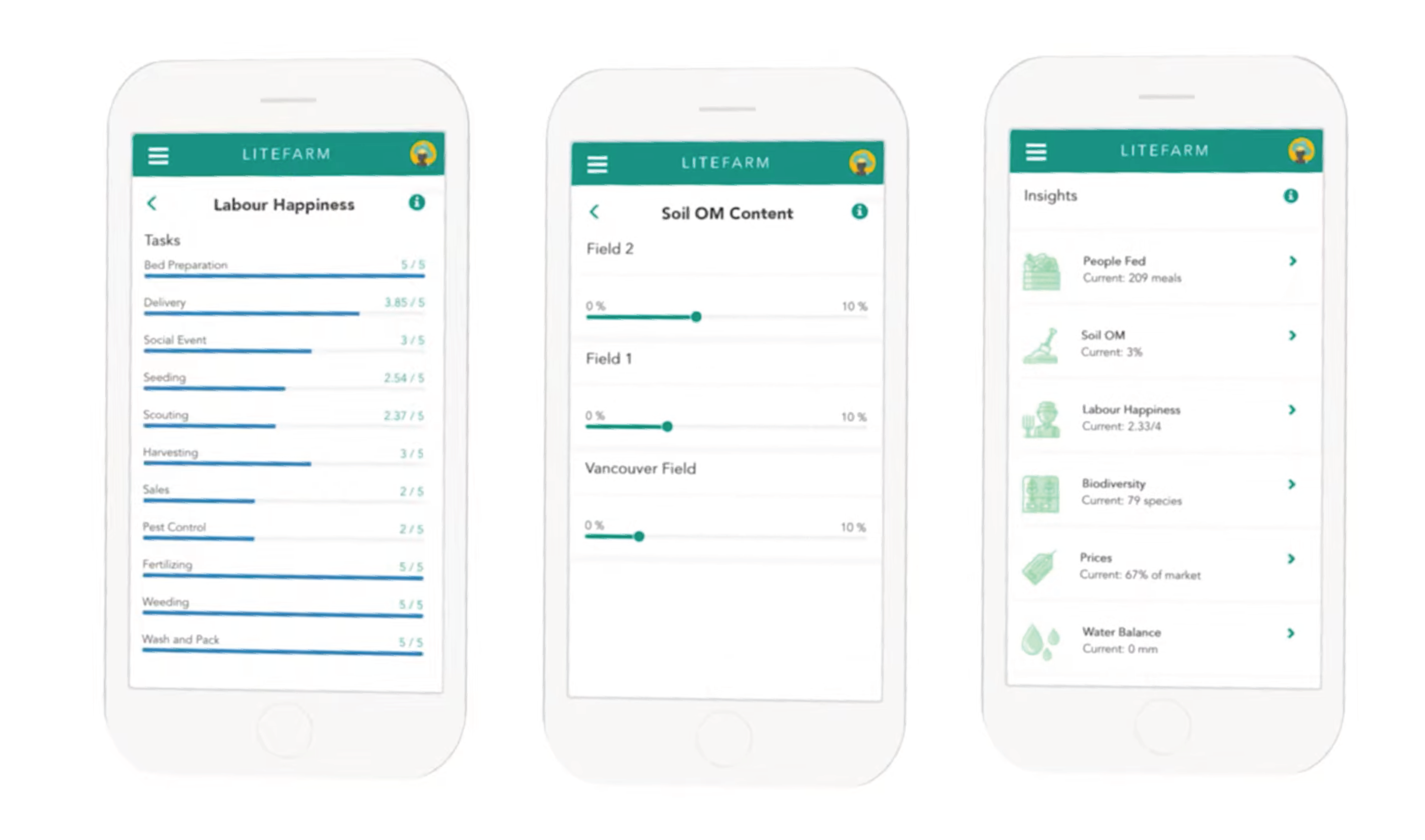
The project deliverables included research synthesis and detailed user journeys, which informed the core workflow architecture for mapping, planning, and certification tasks. We moved quickly through four rounds of rapid prototyping and testing to validate assumptions before developing high-fidelity screens and a functional prototype of the task and crop planning flows. Throughout the process, I collaborated closely with the graphic designer on brand and visual direction, refining the illustration style and overall brand identity to ensure the product felt cohesive, intuitive, and aligned with its audience.others.
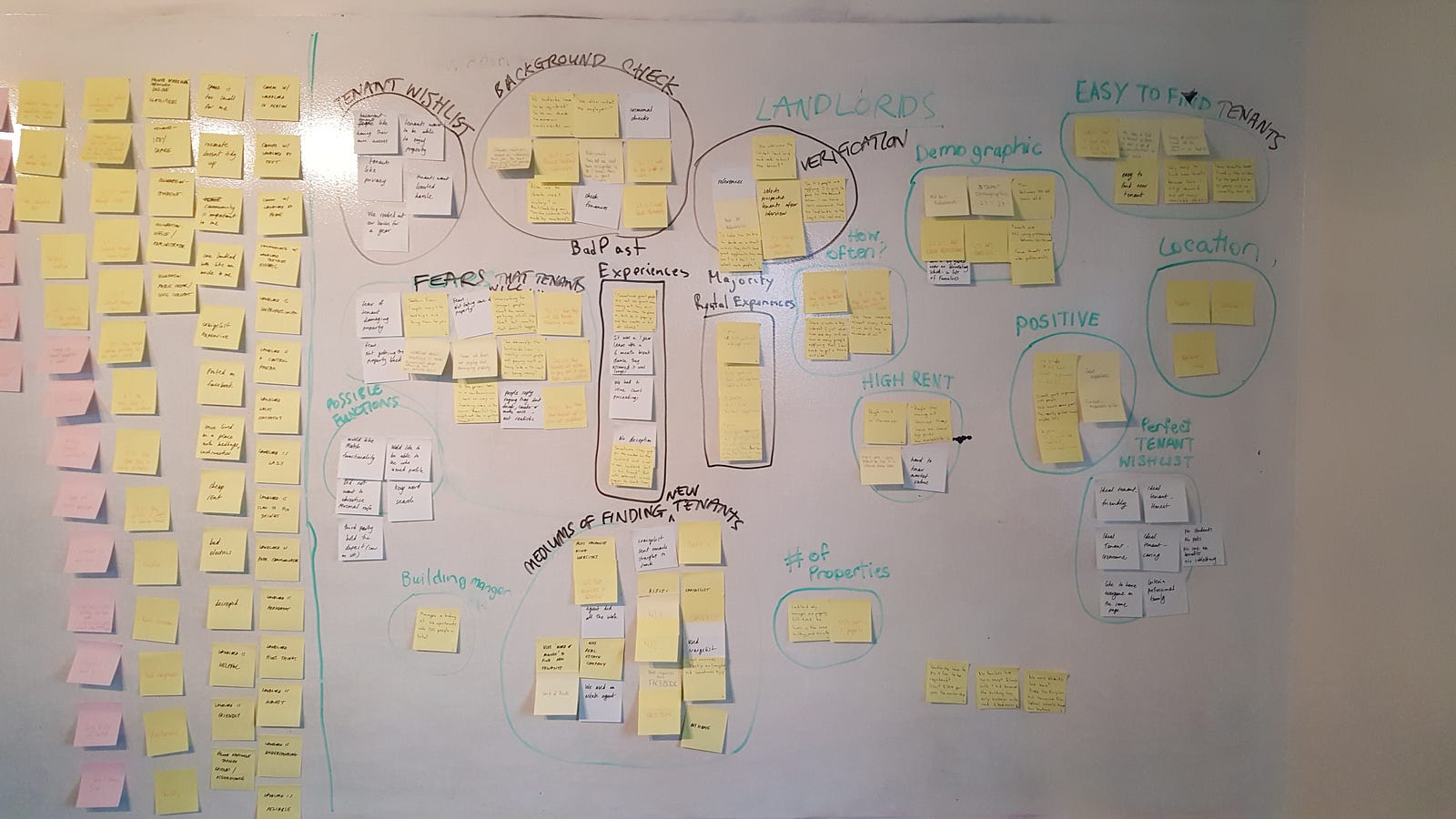


Project Reflection
This project reinforced how essential it is to design real environments, not ideal conditions. By working on-site and observing how farmers move, prioritize, and make decisions reshaped my approach to simplicity, pacing, and clarity in the product experience.